


Thrillz: Play & Earn Rewards
4.6409.00 Reviews
App Specs
- Version
- 1.16.20
- Updated On
- License
- Free
- Downloads
- 100,000+
- Developer
- Dolly gg
- Categories
- Arcade
- Platform
- Android
Screenshots
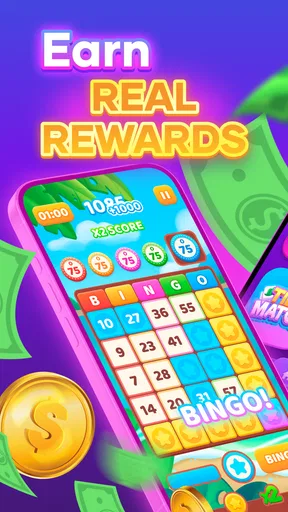
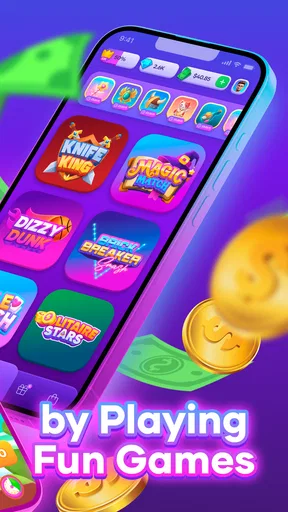

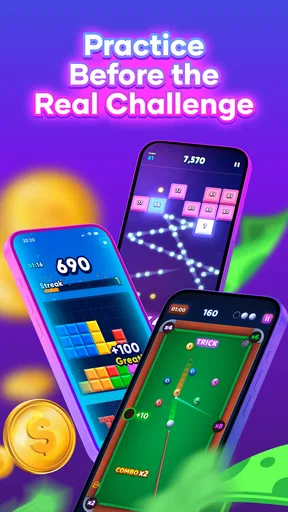



 Analysis by AppCompare
Thrillz: Play & Earn Rewards presents itself as a free arcade game with an unusual extra motivation: alongside the play, it offers ways to redeem rewards through PayPal or gift cards. I approached it less like a promise of easy money and more like a casual game that needs to earn my attention before the reward layer matters. That distinction is important. The arcade category is crowded with quick, disposable experiences, so the real test is whether the moment-to-moment play feels enjoyable enough to return to.
My first impression was shaped by that split purpose. Thrillz wants to be entertaining, but it also asks me to think about progress, redemption, and whether each session feels worthwhile. Dolly gg is the developer behind it, and the game has reached over one hundred thousand installs with a 4.5 average from around eight thousand ratings. Those figures suggest that the concept has found an audience, although they do not replace the more personal question: will the actual play fit your habits?
How Thrillz Feels in the First Few Sessions
The most sensible way to approach Thrillz: Play & Earn Rewards is to give the arcade side your attention first. If I open a game only because I expect a reward, even a small amount of waiting, repetition, or friction feels much worse. When I treat it as a short break with a possible bonus attached, the experience becomes easier to judge fairly.
That makes it a natural candidate for spare moments: waiting for an appointment, taking a short break from work, or winding down before bed. The format suits players who prefer brief interaction rather than a long campaign, a complicated upgrade tree, or a competitive multiplayer commitment. I would not install it expecting a deep narrative adventure. Its appeal is closer to a pocket arcade stop where the surrounding reward idea gives routine sessions an additional reason to continue.
The mature seventeen-plus content rating is also worth taking seriously. It does not automatically tell me that every player will find the game intense or unsuitable, but it does mean parents should not treat it as a general child-friendly arcade download. I would keep that rating in mind before handing the device to a younger player, especially because the reward framing can make an app feel more harmless than its official age guidance suggests.
One practical habit improved my experience: I decided in advance how long I wanted to play instead of chasing the next milestone indefinitely. Reward-oriented games can encourage “just one more round” thinking, and that can turn a five-minute break into an unplanned session. Setting a small stopping point keeps the game in its proper place and makes it easier to notice whether I am enjoying the mechanics or simply reacting to the possibility of earning something.
A visual language built for quick recognition
Arcade games live or die by readability. I need to understand what matters quickly, identify the active goal, and recognize when a mistake has happened without studying a screen full of decoration. Thrillz works best when its presentation supports that immediate loop. The setting does not need to become a huge fictional universe; it needs to give each short session a recognizable identity and keep the action from feeling like a bare utility screen.
Worth Reading Before You Choose

Flipboard Shows What News Apps Must Do Beyond the Feed

Switching to Android Auto Means Rethinking Your Driving Routine

Google Calendar Makes a Crowded Week Easier to Manage

Ludo King Makes the Most of the Minutes Between Plans

Baby Panda World Brings Quick Play to Modern Phones, but Its Game Library Feels Busy

ESPN’s Live Game View Makes Following Close Games Easier
That is where the art direction matters. A reward-focused game could easily look like a dashboard with a game attached, but the more convincing approach is to let the playable layer lead and keep the reward information understandable without allowing it to dominate every moment. In my view, the strongest atmosphere comes when the visual language makes the arcade activity feel like the main event, while the progress toward a redemption goal remains a reason to return rather than the only thing on screen.
This balance also affects how tiring the game feels. Bright, busy presentation can be effective for a short burst, yet it becomes exhausting when every screen competes for attention. I prefer to use Thrillz in short sessions and judge its visual energy in that context. Someone looking for a calm, minimalist game may find the arcade mood too active, while a player who enjoys fast visual feedback may appreciate the sense of immediacy.
A useful approach is to separate “play clarity” from “reward excitement.” When I am deciding whether a game is good, I look first at whether I can follow the action without confusion. Only after that do I consider whether the reward structure adds motivation. This prevents the redemption idea from hiding weak presentation or repetitive play, and it gives a more honest picture of what the app is like after the novelty fades.
Sound, rhythm, and the shape of a session
Sound is easy to overlook in a small arcade title, but it has a major effect on pacing. Short games depend on feedback: a successful action should feel distinct from a mistake, and a completed moment should not blend into the next one. Even when I play with the sound reduced, I notice whether the rhythm feels deliberate or whether the session becomes a string of disconnected taps.
Thrillz is most convincing when its presentation encourages a quick, repeatable cadence. I can imagine using it with audio on when I want the full arcade mood, then switching to a quieter setup when I am in a public place or trying not to disturb anyone. That flexibility matters because this is the kind of game people are likely to open in ordinary surroundings rather than in a dedicated gaming session.
The trade-off is that a rhythm built around repeated short actions can become predictable. Repetition is not automatically a flaw in an arcade game; it is often the point. The question is whether the pacing gives me enough small changes in challenge or feedback to make another round feel intentional. If I find myself playing only because I am waiting for a reward threshold, the sound and timing stop creating atmosphere and start feeling like a loop I am enduring.
My advice is to test the game in three different situations: a focused session with audio available, a silent session in public, and a distracted session while waiting. That simple comparison reveals more than a single enthusiastic first play. A game that remains readable without sound is easier to live with, while a game whose audio adds satisfying timing and feedback can feel much more engaging when I have the right environment.
Where the reward layer fits the mechanics
The central promise is straightforward: play games and redeem real rewards through PayPal or gift cards. The important nuance is that this should be understood as a motivation system, not a replacement for a reliable income stream. I would never plan a bill around an arcade app. The sensible value is entertainment first, with the possibility of redeeming something as an extra benefit if the required progress feels reasonable.
That distinction helps explain who will enjoy it. Players who already like casual arcade sessions may appreciate having a visible reason to keep returning. Players who dislike repetition, advertisements, waiting, or reward thresholds may find the same structure frustrating. Even without turning the review into a list of advantages and disadvantages, I can say this clearly: the reward layer improves the fit for goal-oriented casual players, but it does not rescue mechanics that fail to hold attention.
I also recommend checking the redemption path carefully inside the app before investing much time. Look at how progress is represented, what action leads from play to a reward choice, and whether the available options match what you actually use. Since the game specifically presents PayPal and gift cards as redemption routes, the most useful early decision is choosing the route that makes sense for your everyday spending. There is little point in pursuing a target that does not fit your needs.
Another good workflow is to keep your expectations proportional to your session length. If I have only a few minutes, I play for the arcade experience and treat any progress as incidental. If I have a longer break, I can evaluate whether the repeated loop remains enjoyable. This prevents a common mistake: measuring every tap by its supposed cash value instead of asking whether the game is still fun.
Thrillz is also better suited to people who want a self-contained casual activity than to players seeking the depth of a traditional arcade collection. A conventional arcade game may offer more polished standalone mechanics, richer progression, or a clearer mastery curve without any reward promise. On the other hand, a standard game does not offer the same reason to return through PayPal or gift-card redemption. The choice depends on whether you value mechanical depth or motivational extras more.
Version, access, and everyday practicality
The current version is 1.16.20, and the game requires Android 9 or later. That makes the operating-system requirement an easy check before installation. I would verify the Android version on an older spare phone rather than assuming that a device capable of running other arcade games will automatically qualify. Compatibility is a small detail, but it is the kind of detail that saves time.
The game is free to install, which lowers the barrier to testing it. I still would not confuse free access with a friction-free experience. Any reward-based arcade title needs to be judged by the full path from opening the app, starting play, understanding progress, and reaching a redemption option. If that path feels clear, the free entry point is useful. If it makes me spend too much time navigating around the actual game, the lack of an upfront price does not make the experience automatically good.
For an everyday scenario, imagine a commuter with ten minutes before a train arrives. Thrillz can fill that gap more purposefully than scrolling through an endless social feed, especially if the player already enjoys quick arcade challenges. The same person should stop before boarding if the session has become frustrating, rather than assuming another round will suddenly transform the experience. The reward idea works best as a gentle nudge to play, not as pressure to continue.
It is less suitable for someone who wants uninterrupted offline entertainment, a story that develops over many hours, or a game with carefully tuned long-term competition. It is also not my first choice for a child because of the mature age classification. And if your main goal is dependable financial return, I would choose a conventional paid task platform or a normal game instead of treating this arcade title as an earning tool.
What keeps the mood coherent
The most successful part of Thrillz is the way its two identities can support each other when kept in balance. Arcade play provides the immediate rhythm, while the reward system gives the session a longer direction. The art and sound need to make the short actions feel like a game rather than a transaction, and the progress system needs to remain understandable enough that I know why I am returning.
That coherence is fragile. If the reward goal becomes the only thing I notice, the atmosphere disappears. If the arcade loop feels too repetitive, the promise of a future redemption can turn into a source of impatience. I found the best mindset was to use the game in controlled bursts, pay attention to whether the play itself remained satisfying, and treat redemption as a bonus rather than a guarantee of value.
The mature rating, free price, and large existing audience create a mixed first impression: the app is easy to try, but it should be approached with adult judgement and realistic expectations. Its 4.5 average is encouraging, and the number of reviews sits at around four hundred, but personal fit still depends on how much repetition you tolerate and whether the reward routes are useful to you.
My verdict after weighing the whole experience
I recommend Thrillz to adults who enjoy casual arcade play and like having a concrete reason to revisit short sessions. The PayPal and gift-card angle gives the game a different personality from a typical arcade download, and the free entry point makes experimenting straightforward. For a quick break, it can be a pleasant alternative to passive scrolling, particularly when I want an activity with a clearer beginning and end.
I would skip it if you are looking for a deep arcade masterpiece, a narrative world, a child-friendly game, or a dependable way to make money. The reward promise should never be the sole reason to tolerate mechanics you do not enjoy. My final judgement is that Thrillz works best as a small, repeatable entertainment habit with a possible payoff attached. Play for the arcade mood first, and let the reward remain the extra rather than the expectation.
Pros
- Fun short-form games make it easy to play during brief spare moments.
- A broad selection of challenges helps keep the experience from feeling repetitive.
- Reward progress gives casual players an extra reason to return regularly.
- Simple controls make most games accessible to beginners.
- The app combines entertainment and incentives in one convenient platform.
Cons
- Rewards may require considerable time or repeated tasks to accumulate.
- Availability of games and offers can vary by location or account.
- Some earning opportunities may involve watching frequent advertisements.
- Reward redemption terms and minimum thresholds may limit flexibility.
- Performance and battery use can vary during longer play sessions.
FAQs for Thrillz: Play & Earn Rewards
What is Thrillz: Play & Earn Rewards, and how does it work?
Thrillz: Play & Earn Rewards is a rewards-focused mobile app that lets users discover activities, offers, or games and collect points or other in-app rewards for completing eligible actions. After installing it, you typically create an account, review the available opportunities, follow the requirements carefully, and wait for the activity to be verified before receiving credit. Available features and campaigns may vary by location and time.
Can I really earn money or gift cards with Thrillz?
Thrillz may allow eligible users to exchange accumulated rewards for available redemption options, such as gift cards or other benefits, but earnings should not be treated as guaranteed income. The amount you can collect depends on the offers shown in your account, completion rules, verification, and the minimum withdrawal threshold. Always read the reward terms before spending time or sharing information.
Is Thrillz: Play & Earn Rewards free to download and use?
The app may be free to download, but some activities presented through a rewards platform can involve optional purchases, subscriptions, advertisements, or third-party services. You should never assume that every offer is completely free. Before accepting an activity, check whether payment details are requested, whether a subscription renews automatically, and what conditions must be met to receive the advertised reward.
What personal information does Thrillz require?
As with many reward applications, Thrillz may request basic account information and device or activity data to operate the service, track completed offers, prevent fraud, and process redemptions. The exact information can change with app updates and regional requirements. Before registering, review the app’s privacy policy and permissions, and avoid providing sensitive details unless they are clearly necessary and handled by a trusted provider.
Why have I not received credit or a reward after completing an offer?
Rewards are not always credited immediately because completion may need to be confirmed by Thrillz or an external offer provider. Common causes include missing a required step, using an unsupported device or region, blocking tracking, closing an offer too early, or having an existing account with the advertiser. Keep screenshots and confirmation details, then contact in-app support if the stated verification period has passed.


